

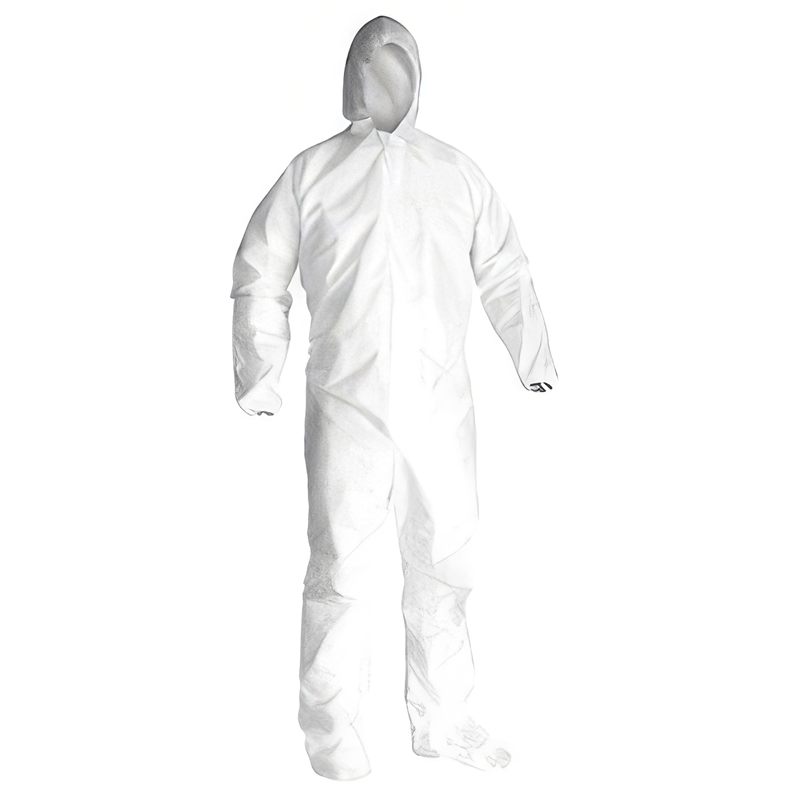
Polypropylene Coverall
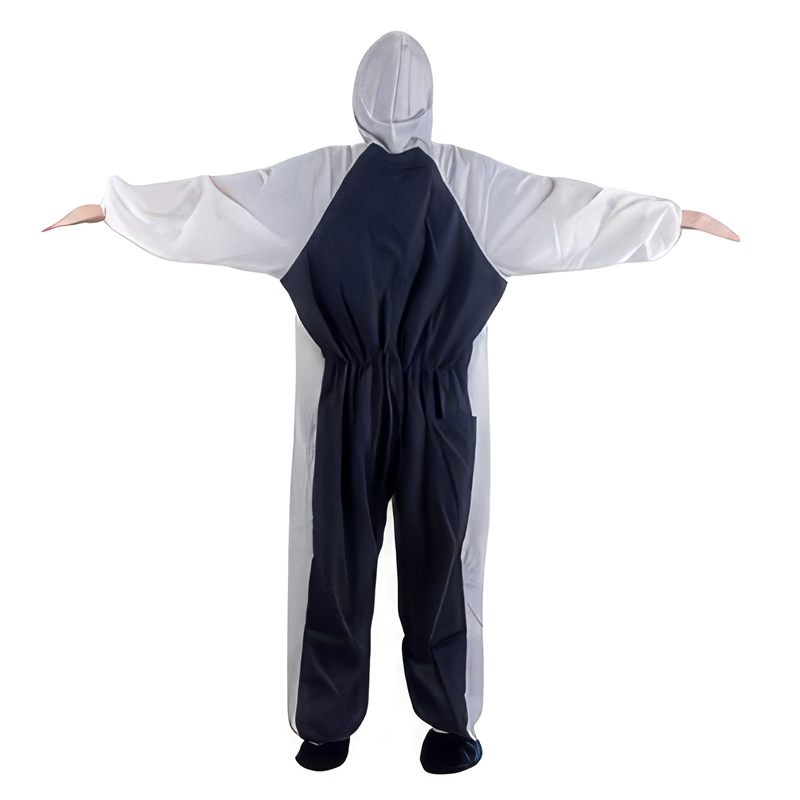
The lightest, most breathable and most economical coverall in our line. It keeps dirt, grime and non-hazardous dry particulate off skin and clothes, and it's the one crews are least likely to unzip because of heat.
- Most breathable
- Lowest cost
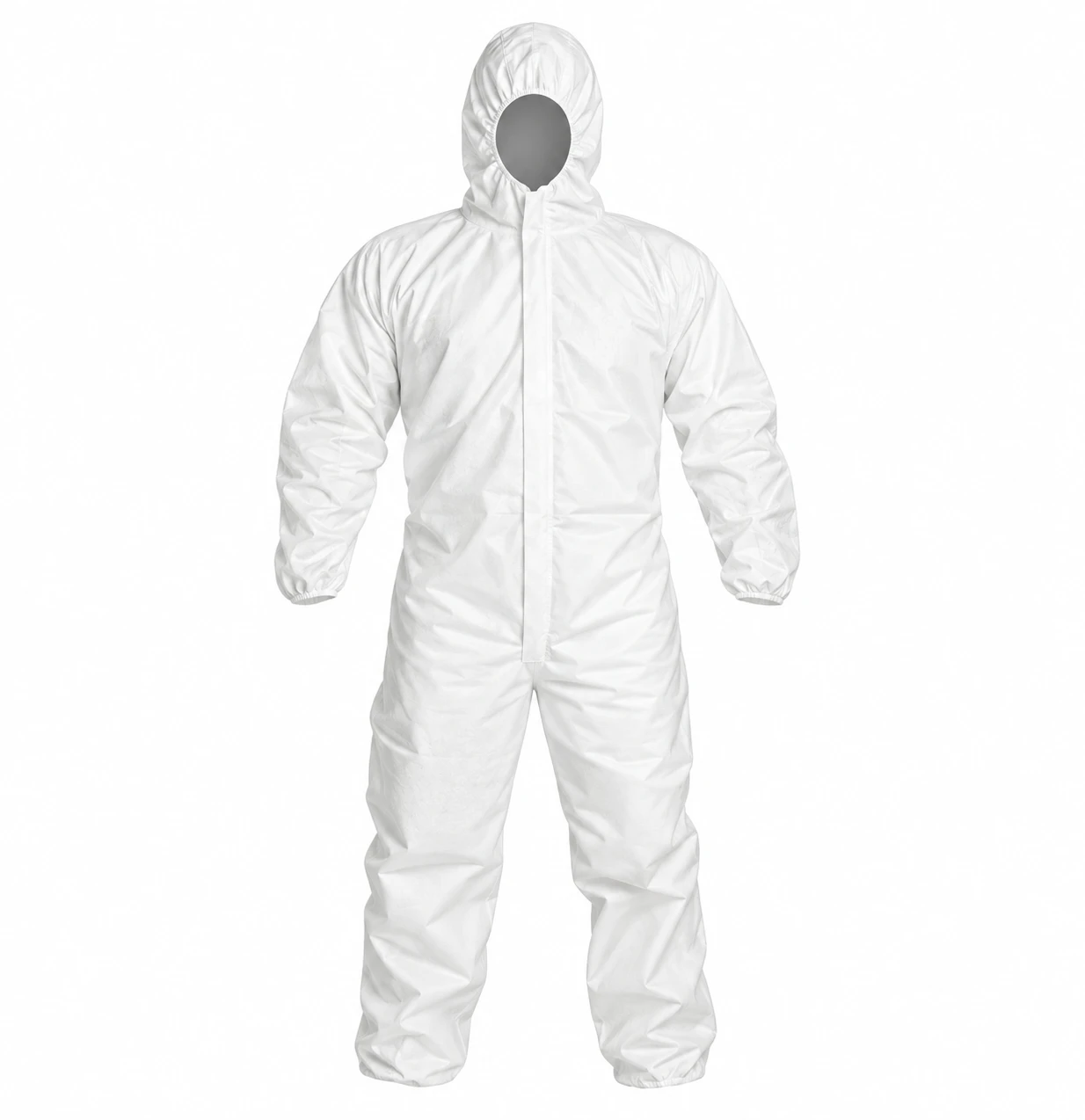
- Attached hood
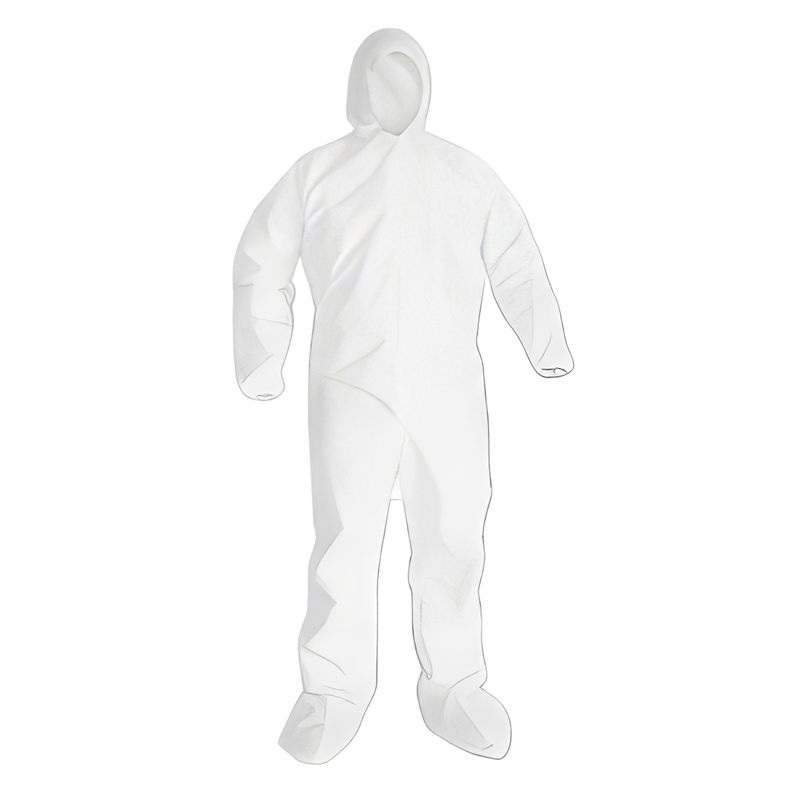
- With or without boots
- Sizes
- L, XL, 2XL, 3XL, 4XL
- Case
- 50 coveralls
- Color
- White (others on request)
- Shipping
- In stock, ships fast
What you get in every case
| Fabric | Single-layer spunbond polypropylene nonwoven |
|---|---|
| Hood | Attached |
| Feet | With or without attached boots. Both are stocked. |
| Breathability | Highest in our line |
| Barrier | Dirt, grime and non-hazardous dry particulate. Not a liquid barrier. |
| Sizes | L, XL, 2XL, 3XL, 4XL |
| Color | White. Other colors available on request. |
| Packaging | 50 coveralls per case |
Pick it when the job is dirty, not hazardous
Polypropylene does one job well: it keeps the mess off you without making you overheat. That makes it the right default for a lot of work, and the wrong choice for a few things.
Good choice for
- Visitors, inspectors and auditors walking a site
- Short tasks where you want a fresh suit every time
- Dirt, grime, dust and light debris
- Warm weather and hot indoor spaces
Step up to SMS or microporous for
- Fine dust that will float, such as insulation fibers or drywall dust: see SMS
- Any liquid splash: see microporous
Jobs this coverall is built for
Food plant visitors and contractors
A clean outer layer for anyone entering a production area who isn't in the plant's own uniform program. Food processing guide
Farm and barn visits
Disposable coveralls are a standard part of visitor biosecurity on poultry and livestock operations. Agriculture guide
Plant maintenance and cleanup
Keeps dirt and grime off clothes on routine maintenance and cleaning work. Industrial guide
Estimates and contents pack-out
Inspections, estimates and pack-out on restoration jobs where crews want a fresh suit per site. Restoration guide
Blown-in insulation installs
A light, cool suit for installers in warm attics. Choose SMS when fine fiber dust is the issue. Insulation guide
Know the limits
- Not a liquid barrier. Do not use it where you expect splashes, spray or wet debris.
- Not flame resistant. Do not wear near open flame, sparks, welding or other hot work.
- Not rated for hazardous dust or chemicals. Follow your safety data sheets and site rules.
- A coverall is one part of your PPE. Choose respirators, gloves and eye protection for the specific hazard.
Polypropylene coverall FAQ
What's the difference between polypropylene and SMS coveralls?
Polypropylene is a single layer, so it's lighter, cooler and cheaper. SMS adds a fine middle layer that catches finer dry dust while still breathing well. If the dust floats in the air, SMS is the better suit.
Can I use it around liquids?
No. It isn't a liquid barrier. For splash, look at the microporous coverall or the Vent Coverall.
Is it disposable?
Yes. Nonwoven suits are single-use. Discard them when the job or the shift ends and when they're torn or heavily soiled. If you want a suit you can wash, see the Ultra Spray Suit.
Can I get it with attached boots?
Yes. We stock it both ways, with attached boots and without.
Can we try it before ordering?
Yes. We send free samples so your crew can wear our coverall next to what you use now. Request samples.
Put it next to what you're wearing now.
Free samples, shipped the same day.